Hidden Gem National Parks Across the United States: Canyons, Craters, Sand Dunes and More
Key Takeaways
- Lesser‑known national parks across the United States offer scenic, quieter alternatives to more crowded destinations, giving travelers a chance to explore unique landscapes with fewer distractions.
- These destinations highlight the diversity of America’s protected lands, from remote deserts to wild islands to glacier‑carved lakes.
- Travel protection provided by Generali Global Assistance assists travelers pursuing added peace of mind when visiting remote locations, with Emergency Assistance & Transportation benefit, limits varying by plan.
America’s national parks offer remarkable landscapes and meaningful opportunities to explore natural spaces. While many well‑known parks often draw large crowds, there are exceptional destinations across the country that provide quieter, equally memorable experiences. The locations below offer distinctive scenery and can appeal to travelers seeking less‑visited places. Please note that accessibility and operating schedules for some of these parks can be heavily affected by weather and seasonal conditions. Travelers should always research current closures, transportation availability, and safety advisories before heading out.
Big Bend
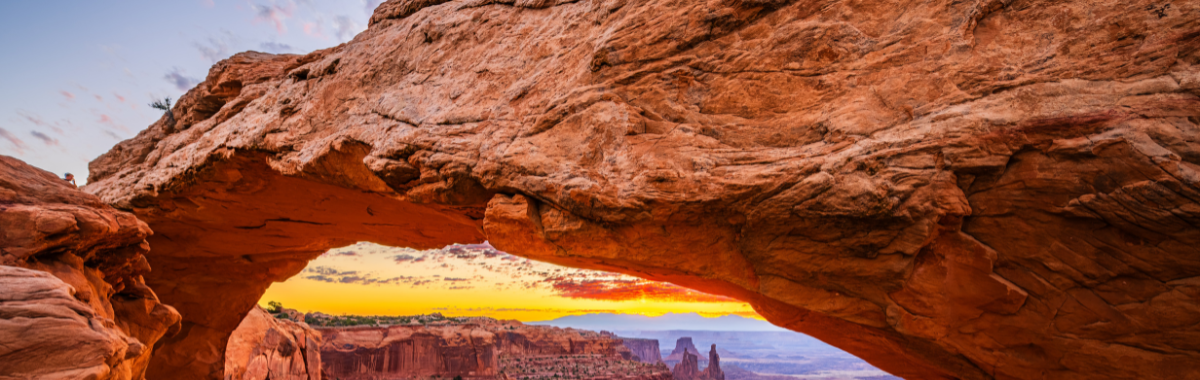
Situated along the Rio Grande, Big Bend features diverse environments including desert terrain, mountain ecosystems, and river habitats. Visitors may encounter wildlife such as deer, quail, and coyote while exploring its extensive hiking trails.
Big Bend can be a challenging park to navigate, since the roads that are there don’t take you into the park’s wild heart. However, hiking trails are plentiful and varied and can show you what makes Big Bend as popular as it is.
Where to Begin: Start your exploration at Panther Junction Visitor Center, a central hub where you can get trail updates, refill water, and enjoy your first look at the surrounding desert and mountain scenery before heading deeper into the park.
Also Read: 9 of the Best Hiking Trips in the U.S. and How to Find Trails Near You
Canyonlands
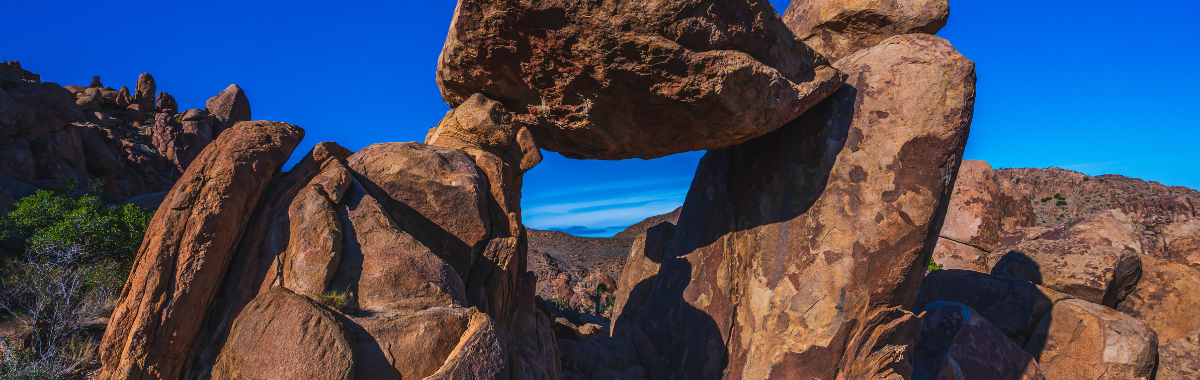
While Bryce Canyon and Zion get the press, Canyonlands offers very similar vistas with fewer people and less publicity.
Why is Canyonlands a hidden gem of Utah’s parks?
It’s scattered. Pieces of the park look adjacent but are a six-hour drive from each other. Seeing the whole park requires intent.
Also, it’s a different kind of spectacular than Bryce Canyon or Zion – think Grand Canyon, as opposed to wind-carved arches. The park is best explored via hiking trails and overlooks.
Canyonlands’ grand vistas reward those who put in the effort. It’s up to you whether you want to seek them out.
Where to Begin: Begin at the Island in the Sky Visitor Center, where the short walk to nearby overlooks offers sweeping views of canyons, cliffs, and the distant La Sal Mountains—an ideal way to get a feel for just how vast the park really is.
Great Sand Dunes
For a national park in Colorado, Great Sand Dunes National Park may feel out of place from the snowy mountain tops people associate the state with.
There’s no abundance of snow-capped mountains at Great Sand Dunes, except maybe in winter, and even then, that’s not the attraction. There aren’t tall pines and quaking aspens lining the slopes.
The sand mountains go on for a stretch, leaving you lots to explore. The surrounding ecosystem isripe for exploration, too, though most visitors spend their time clambering up the dunes, falling back, sliding down, and doing it all over again.
Where to Begin: Start at the main dunefield parking area near Medano Creek, where you can step directly onto the sand, climb a ridge for panoramic views of the surrounding mountains, and decide how far into the dunes you want your adventure to go.
Cumberland Island National Seashore
Cumberland Island sits off the Georgia coast and is accessible only by ferry. It has pristine dune beaches, forests, marshes, ruins, bike paths, and an entire ecosystem to explore.
Bike paths and walking trails wind through shaded canopies and open dunes, offering a calm way to explore the island’s ecosystems. Its combination of natural beauty and historic sites makes it a distinctive excursion during a coastal trip.
Take Cumberland Island. It’s a large, historic barrier island reachable only by ferry from St. Mary’s.
Where to Begin: After stepping off the ferry, begin at Sea Camp, where shaded paths lead toward the beach and nearby ruins, giving an immediate sense of Cumberland Island’s mix of maritime forest, dunes, and history.
Alaska’s National Parks Beyond Denali
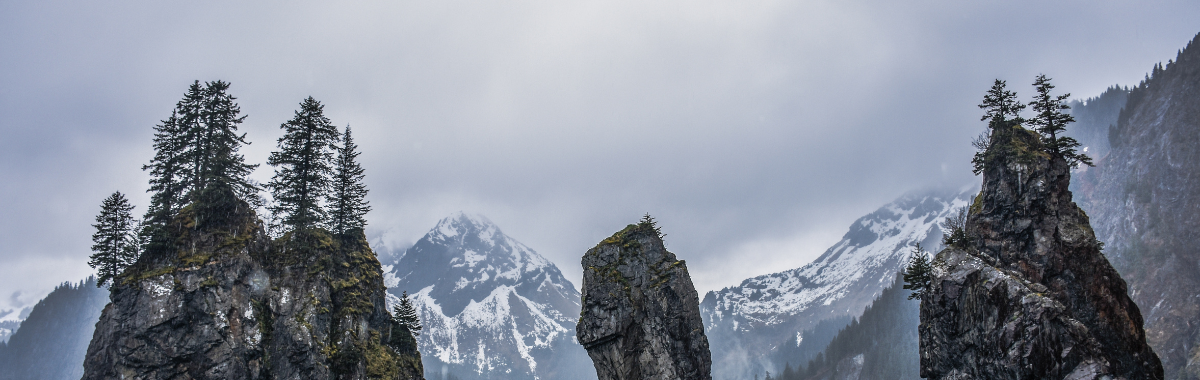
You want to get off the beaten path? It doesn’t get more unbeaten than this. At Alaska’s non-Denali parks the only creatures beating paths are wolves, caribou, bears, and moose, and they don’t make a habit of retracing their steps.
Alaska has seven incredible national parks beyond Denali. Gates of the Arctic, Katmai, Glacier Bay, Kenai Fjords, Wrangell-St. Elias, Lake Clark, and Kobuk Valley differ not only in their terrain—ranging from volcanic landscapes to vast sand dunes and lush northern rainforests—but also in how you access them, from simple park‑and‑hike entry points to fly‑in‑only wilderness with no trails at all.
Where to Begin: Many visitors start by choosing one gateway hub—such as Seward for Kenai Fjords, Port Alsworth for Lake Clark, Bartlett Cove for Glacier Bay, or towns like Bettles or Coldfoot for Gates of the Arctic—and then work with local guides or air taxis to reach the remote valleys, fjords, and coastlines that make these parks so distinctive.
Isle Royale
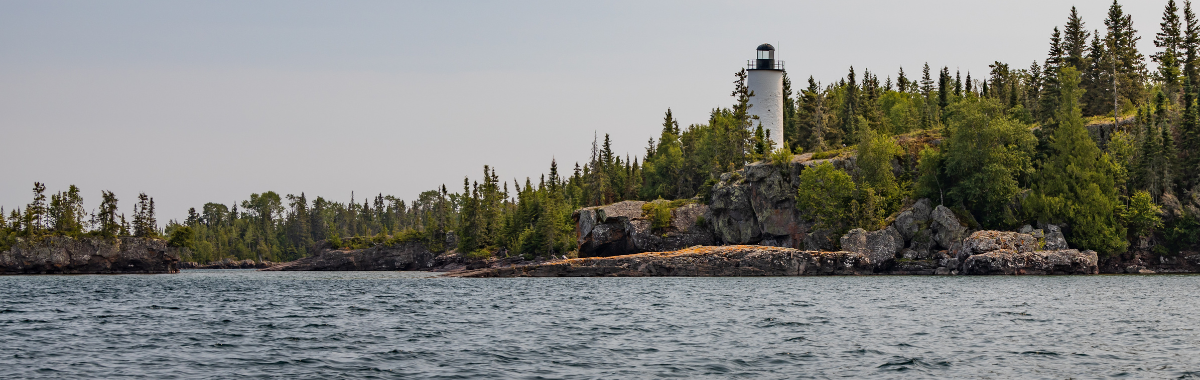
It’s not easy to get to Isle Royale. You fly or boat there, and the places the boats sail from aren’t Detroit and Chicago but instead Houghton and Duluth.
Once you get to this pristine Lake Superior island, you’re greeted by a primeval Northwoods forest, where moose and wolves roam and motor vehicles are a rumor.
The best times to visit are fall, when the woods blaze with color, seeing your breath in the morning is strangely satisfying and the breakfast fire is the best-smelling, most soul warming thing on earth.
Where to Begin: Begin in Rock Harbor or Windigo (double check because these locations can close for part of the season), the two main arrival points for ferries and seaplanes. Each offers access to lakeside trails, ranger programs, and quiet coves, making them natural base camps for planning longer hikes or paddling routes.
Crater Lake
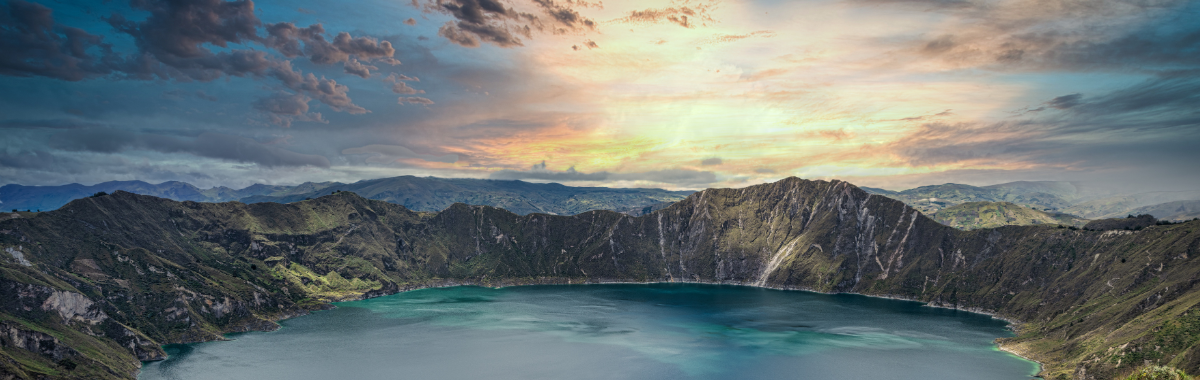
Oregon’s Crater Lake has been a national park for a long time. But that hasn’t stopped or changed its beauty at all.
Crater Lake’s waters are an otherworldly blue and the territory around them is a deep, piney green with dabs of white and gray, making for some of the best color combinations seen in nature.
It’s accessible to West Coasters and RVers, though weather can cause sudden road closures.
Crater Lake is probably the most popular park on this list, but it still flies under the radar for many travelers. If you’re heading to the Pacific Northwest, it’s worth a stop.
One of the best things about these recreation areas is you can visit them all for one low price. Especially for seniors, an annual or lifetime national parks pass is one of the great bargains in travel.
Where to Begin: Start at Rim Village, where you can take in your first uninterrupted view of the lake’s deep blue water, stroll to nearby viewpoints, and decide whether to continue your day with a rim drive, a hike, or a boat tour in season.
Get travel protection that includes Emergency Assistance & Transportation coverage, a valuable consideration for remote destinations and active trips. This benefit is designed to assist with coordinating and covering certain transportation and related expenses during a covered medical emergency and features varying limits depending on the plan you choose.
The Premium Plan includes up to $1,000,000 per person, the Preferred Plan includes up to $500,000 per person, and the Standard Plan includes up to $250,000 per person.
When planning your next national park adventure, travel protection provided by Generali Global Assistance may help you pursue added peace of mind.
Get a quote and see for yourself.
Travel Resources
See All

10872502603

Average Customer Rating:

Thank you for visiting csatravelprotection.com