Travel Health Tips for Long‑Haul Flights: Stay Well & Comfortable
Key Takeaways
- Long‑haul flights place unique physical demands on the body, but thoughtful movement, hydration, and sleep strategies support comfort and recovery.
- Smart booking decisions, seat choices, and pacing help travelers reduce soreness, stiffness, motion sensitivity, and jet lag.
- Travel protection provides support when health‑related travel disruptions, medical needs, or unexpected delays occur far from home.
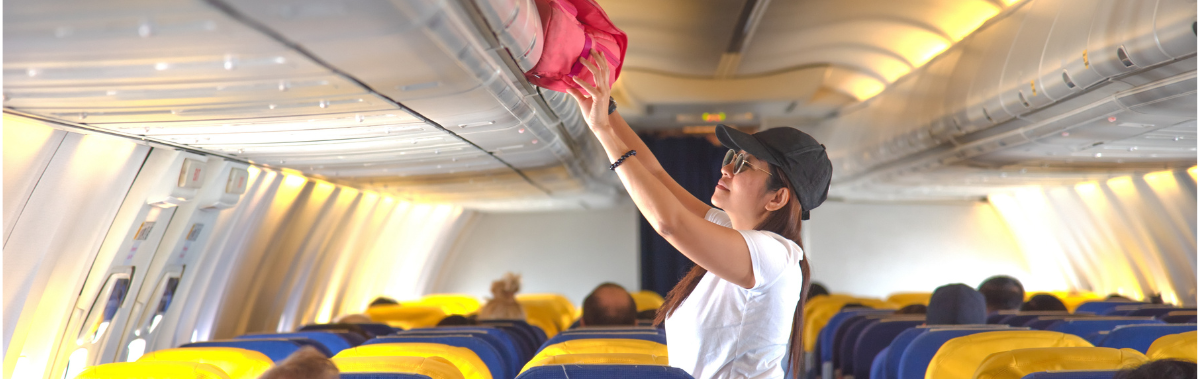
Long‑haul trips open the door to meaningful experiences, global connections, and extended travel opportunities. At the same time, spending many consecutive hours in a pressurized cabin or a cramped packed car introduces challenges that the body does not typically encounter in everyday life. Limited mobility, disrupted sleep cycles, dry air, and time zone changes combine to create physical strain that often surfaces during or after arrival.
Staying well during extended flights involves more than a single strategy. Health‑minded travelers benefit from planning across the entire journey, beginning with how a flight is booked, continuing through in‑flight habits, and extending into arrival and recovery. Thoughtful preparation supports circulation, digestion, sleep quality, and overall comfort while reducing the likelihood of soreness, motion sensitivity, or lingering fatigue.
The following guidance explores practical ways to support well‑being before, during, and after long‑haul flights, with an emphasis on movement, accommodation choices, scheduling, and health‑aware planning.
Understanding the Physical Impact of Long‑Haul Flights
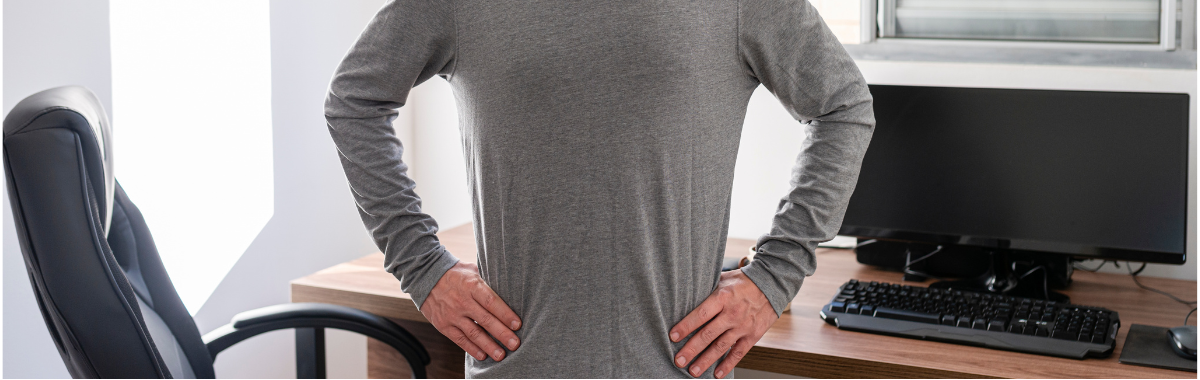
Remaining seated for extended periods affects circulation, joint mobility, and muscle engagement. When the body stays still for hours at a time, blood flow through the legs slows, which contributes to stiffness and swelling. Cabin pressure and lower humidity levels also influence hydration and sinus comfort, while prolonged sitting places strain on the lower back, hips, and neck.
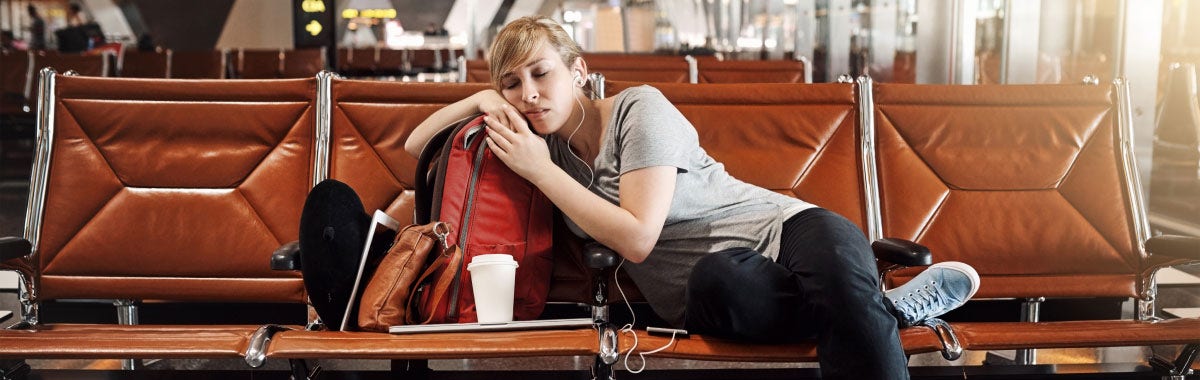
Sleep disruption represents another common challenge. Crossing time zones interferes with circadian rhythms, the internal clock that regulates sleep, alertness, digestion, and hormone release. Even when travelers sleep on the plane, rest often feels lighter and less restorative due to cabin noise, light exposure, and unfamiliar sleeping positions.
Digestive discomfort may also occur. Changes in air pressure, dehydration, irregular meal timing, and meals from an unknown source influence digestion and contribute to bloating or nausea for some travelers. Understanding these physiological effects helps frame why movement, hydration, and pacing play such a meaningful role in long‑haul travel health.
Getting Up and Stretching During the Flight
Movement remains one of the most effective tools for supporting circulation and reducing stiffness on long flights. Standing up periodically helps activate leg muscles and encourages blood flow, counteracting the effects of prolonged sitting. Even brief periods of movement every hour or two support comfort. Almost everyone has seen at least one person doing stretches in the aisle or the back of the plane on that 8 hour flight, why not join them?
Stretching while standing near the aisle or galley helps relieve tension in the calves, hamstrings, hips, shoulders, and neck. Gentle stretches performed slowly reduce tightness without requiring much space. Ankle circles, heel raises, and light calf stretches are particularly helpful for lower‑body circulation.
When standing is not possible, seated stretches still provide value. Extending the legs one at a time, flexing and pointing the feet, rolling the shoulders, and gently turning the neck side to side help maintain mobility. These are great if you’re stuck in a window seat when others blocking your way to the aisle. Setting a watch or phone timer provides a handy reminder throughout the flight.
Walking the Aisles to Support Circulation
Walking provides more movement than stretching alone. Slow walks up and down the aisle engage larger muscle groups and promote blood flow throughout the lower body. Even a few minutes of walking supports circulation and reduces the sensation of heaviness or swelling in the legs.
Travelers should walk at a comfortable pace and remain mindful of crew activity. Choosing times when cabin traffic is lighter improves safety and ease of movement. Walking during longer flights becomes especially valuable on overnight segments when sleep may be interrupted naturally.
Compression socks or stockings are sometimes used alongside walking to support circulation. These garments apply gentle pressure that encourages blood flow upward through the legs. While not required for everyone, they are often considered by travelers with circulation concerns or long periods of immobility.
Choosing Seats With Health in Mind
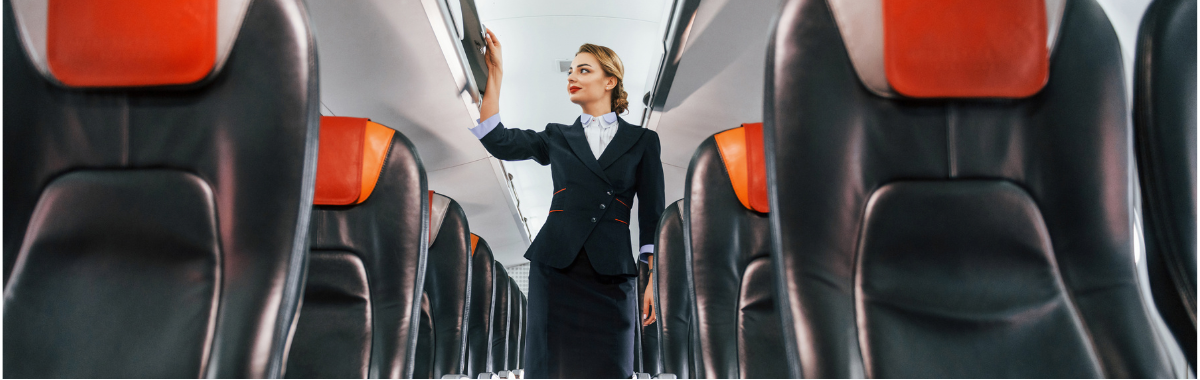
Seat selection influences movement opportunities and overall comfort. Aisle seats provide easier access for standing and walking, reducing hesitation to get up. This flexibility encourages more frequent movement throughout the flight.
Bulkhead and exit‑row seats offer additional legroom, which supports better stretching and posture. However, these seats may have fixed armrests or tray tables stored in the armrest, but that may be a trade-off you’re willing to pay for if you want to stretch your legs out.
Window seats offer head support for sleeping with a pillow, blanket, or even a hoodie helping support the head and neck but limit mobility. Travelers who prefer window seats should plan intentional movement breaks to offset the reduced ease of standing.
Supporting Posture and Spinal Comfort
Sitting posture affects muscle fatigue and joint strain over extended periods. Slouching or leaning forward for hours places stress on the neck and lower back. Supporting the natural curve of the spine reduces discomfort and helps maintain alignment.
Small adjustments, such as placing a rolled sweater or travel pillow behind the lower back, provide lumbar support. Keeping feet flat on the floor or on a footrest stabilizes posture and reduces hip strain. Adjusting the seat recline slightly during rest periods also helps distribute weight more evenly.
Screen use often contributes to neck tension. Raising personal devices closer to eye level minimizes downward head tilt. Periodic posture checks throughout the trip help reset alignment and reduce accumulated strain.
While you’re in a vehicle you should take a moment before buckling in to adjust your seat so you have enough legroom and your head is supported well.
Also Read: The Ultimate Road Trip Packing and Preparation Checklists

Hydration and Cabin Air Considerations
Aircraft cabins maintain low humidity levels, which contribute to dehydration during long flights. Dry air affects skin, eyes, sinuses, and overall comfort. Drinking water consistently throughout the flight supports hydration and circulation.
Travelers benefit from drinking water or drinks with electrolytes before boarding and continuing steadily rather than consuming large amounts at once. Limiting alcohol and caffeinated beverages supports hydration and sleep quality, particularly on overnight flights.
Moisturizing skin, using saline nasal spray, and wearing contact‑lens alternatives such as glasses during flights can also help reduce dryness‑related discomfort.
Booking Around Potential Soreness and Fatigue
Flight schedules, gas station breaks, and other travel itineraries influence how the body experiences travel. Choosing departure and arrival times that align more closely with natural sleep patterns helps reduce exhaustion. Overnight or “red eye” flights may work well for travelers who sleep easily on planes, while daytime flights suit those who prefer to stay awake.
Layover duration matters as well. Short connections increase stress and rushing, while slightly longer layovers allow time to walk, stretch, hydrate, and reset posture between segments. Airport walking supports circulation just as much as in‑flight movement. Consider taking the walkway rather than the moving platform or tram if you have the time and ability.
Booking rest days upon arrival helps accommodate jet lag and muscle soreness, even time for a nap or a stretching session can help you get in a better headspace to enjoy your trip. Scheduling lighter activities during the first day or two allows the body to adjust before engaging in physically demanding plans.
Managing Jet Lag Through Light and Sleep Strategies
Jet lag results from misalignment between the body’s internal clock and local time. Exposure to natural light plays a significant role in circadian adjustment. Seeking daylight during appropriate times helps signal the body to adapt more quickly.
Gradually shifting sleep schedules before departure can help support adjustment for some travelers. Even small changes of 30 to 60 minutes help prepare the body for time zone transitions. Once at the destination, staying awake until local bedtime encourages alignment and allows you to explore the area or get unpacked for your trip ahead.
Motion Sensitivity and Nausea
Motion sensitivity affects some travelers during flights, car rides, and especially boat rides. Visual cues, inner ear balance, and anxiety all influence symptoms.
Sitting over the wings where motion feels less pronounced helps some travelers. Focusing on stable visual references, such as the horizon when visible, may reduce discomfort. Fresh air from overhead vents also supports comfort.
Several over‑the‑counter medications are commonly used to manage motion sickness. Antihistamines such as dimenhydrinate and meclizine are frequently chosen and are typically taken before symptoms begin. These medications may cause drowsiness, which some travelers find helpful on long flights but less desirable during daytime travel.
Also Read: Traveling With Over-the-Counter Meds
Reducing Swelling and Muscle Soreness After Arrival
Swelling in the feet and ankles commonly occurs after long flights due to fluid shifts and limited movement. Walking, gentle stretching, and elevating the legs after arrival support fluid redistribution.
Warm showers or light stretching routines help relax muscles that have remained inactive for extended periods. Gradually reintroducing movement rather than remaining sedentary after arrival supports recovery, so if it makes sense, swap that nap for a quick walk or that seat on the train for a standing option. Also, staying hydrated during the first days after arrival supports circulation and reduces lingering discomfort. Listening to the body and pacing activities prevents overexertion during adjustment.
When to Pay Attention to Health Signals
While discomfort and fatigue are common after long flights, travelers should remain attentive to unusual or persistent symptoms. Significant leg pain, swelling that does not resolve, chest discomfort, or shortness of breath warrant medical attention.
Travelers with pre-existing medical conditions benefit from discussing long‑haul travel plans with healthcare providers before departure. Individualized guidance supports safe travel experiences tailored to personal health needs.
How Travel Protection Fits Into Long‑Haul Trips
Health considerations extend beyond comfort and recovery. Unexpected medical needs, flight disruptions, or trip delays related to illness may affect long‑haul travel plans. Travel protection helps address these uncertainties by offering travel insurance benefits and assistance services designed for travelers away from home.
All Generali Global Assistance travel protection plans include coverages such as:
- Emergency Medical and Dental
- Emergency Assistance and Transportation
- Trip Interruption
- Trip Delay
- Pre-Existing Conditions (Only available with the Premium Plan)
These coverages are designed to help support travelers if illness, injury, or unforeseen events disrupt a journey far from home. 24/7 Assistance Services from Generali Global Assistance provide access to support resources that help travelers locate medical care, coordinate logistics, access translation services, or navigate unfamiliar healthcare systems.
Integrating Health Planning Into Every Long Flight
Staying well during long‑haul flights involves consistent, thoughtful choices rather than a single solution. Movement, hydration, posture, sleep strategies, and pacing work together to support comfort and recovery. Booking decisions and accommodation planning further shape how the body experiences extended travel.
By understanding how long flights affect the body and planning accordingly, travelers position themselves to arrive more comfortable, rested, and ready to engage with their destination or responsibilities.
Planning ahead supports both health and peace of mind. Explore travel protection options designed to support long‑haul journeys and help address unexpected medical or travel‑related disruptions. Get a fast and free quote today to prepare for your next extended flight with confidence.
Travel Resources
See All

10872502605

Average Customer Rating:

Thank you for visiting csatravelprotection.com