Country-specific Finance Tips: How to Manage Money When You Travel Abroad
Key Takeaways
- Some countries restrict or regulate the use of foreign currency, making advance preparation helpful when budgeting for international travel.
- Entry fees, tourism taxes, and ATM surcharges vary widely by destination, and checking requirements before departure may help travelers plan more effectively.
- Travel protection with medical and trip‑related coverages may support travelers visiting destinations with specific insurance requirements.
Currency may not disappear anytime soon, but it is changing quickly. Still, as long as there are porters who appreciate a tip and street performers adding life to your travels, coins and banknotes will continue to have their place.
Below are some general tips for handling money while traveling—and a few ways banks and country-specific rules can affect your budget. One General Tip
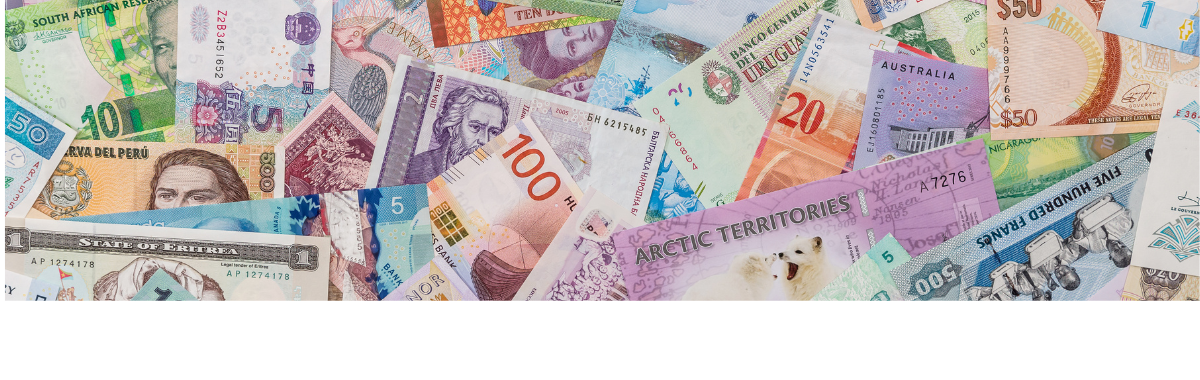
You should always get $50-$75 of local currency when you enter a country, even if it’s a country that considers itself largely cashless, like Sweden. Not only does it come in handy for buying street food or buying from street vendors, but you get to learn about the country‘s heroes.
Countries Where You’re Required to Have Local Currency
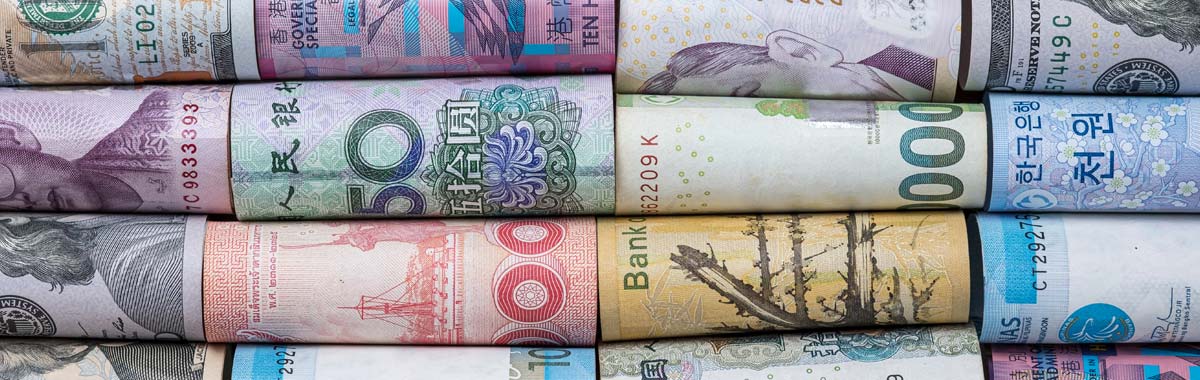
A few countries require travelers to exchange a set amount of foreign currency upon arrival. This helps support the local currency and often means you may end up with a bit left over at the end of your trip. Some countries restrict businesses’ ability to take foreign currency. These countries include:
- India, where using foreign currency for everyday domestic payments isn’t permitted
- China, where the law states businesses have to price and accept payment in Renminbi
- Indonesia, Thailand, and Vietnam, which require domestic transactions to be in the local currency (rupiah/baht/dong),
Nigeria and Egypt have also tightened the use of U.S. dollars for local transactions through central‑bank directives and bank‑level controls.
Countries That Require an Entry Fee
Some countries require travelers to pay an entry fee — sometimes in addition to, or separate from, the cost of a visa. These countries include:
- Bhutan, where tourists are required to pay a daily $100 Sustainable Development Fee (SDF)
- Japan, which adds a ¥1,000 International Tourist Tax to all departing airfare (scheduled to increase in 2026).”
- Thailand, which has approved a tourism fee (proposed at 300 THB for air arrivals), expected to be included in airfare once implemented.
- Indonesia (Bali), which has a roughly $10 tourist levy for visitors to Bali
- Egypt, which requires travelers to pay $30 upon arrival in the country
- Mexico, where some regions — notably Quintana Roo (Cancún, Tulum, Playa del Carmen) — impose a state tourist tax
- Cambodia, which charges US $30 for a tourist visa, payable as a visa on arrival or through the official e‑visa system.
These fees help fund infrastructure, conservation, and tourism management. A modest entry fee — for example, $30 to visit Angkor Wat — is unlikely to deter travelers, and many destinations use these funds to support sustainable tourism.
Also Read: How to Save Money During Your Trip
Countries That Typically Add an ATM Surcharge
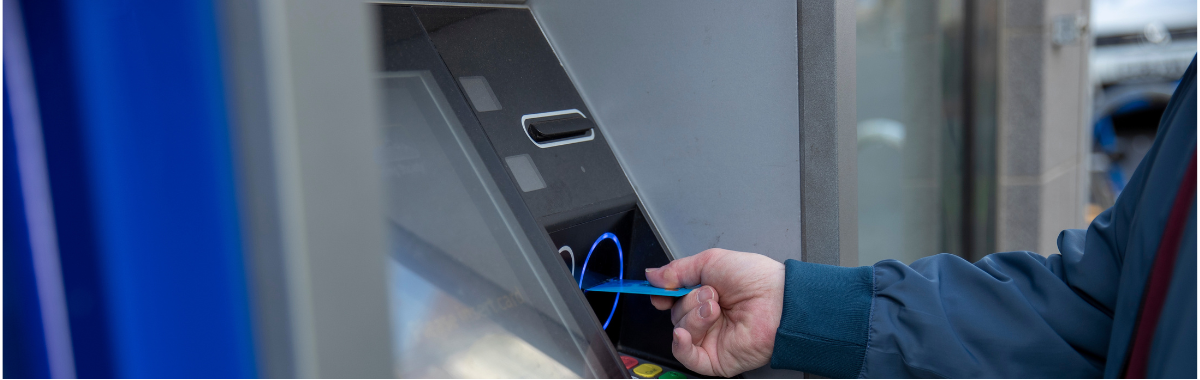
You already know that any interest your bank accounts earn can be wiped out by ATM fees. You also shouldn’t be surprised to learn that some countries add their own fees when you withdraw money from an ATM. Countries that impose surcharges on foreign ATM transactions include:
- Thailand, where most banks add a flat ฿220–฿250 per withdrawal for foreign cards.
- Mexico, where bank‑owned ATMs typically charge about 40–100 MXN (≈US $2–$5) per withdrawal; amounts vary by operator and location.
- Japan, where convenience‑store and post‑office ATMs that accept foreign cards often apply nominal operator fees
- The United Kingdom and Germany, which may or may not charge fees, depending on whether the ATM is public or private
These ATM caveats are on top of the standard ATM safety recommendations to only use ATMs in well-traveled, well-lighted areas, and to always shield the keypad with your free hand when inputting your PIN.

The Dynamic Currency Conversion Trap
If you feel like your money has a nearly magical way of getting smaller when you travel abroad, you’re on to something.
One of the culprits is something called “dynamic currency conversion.”
Here’s how DCC works:
When you go to a foreign ATM, you may be asked whether you want to be billed in the local currency or in dollars. If you specify dollars, the ATM operator gets to add a hefty surcharge or specify the exchange rate – maybe the 1870 exchange rate, when one British pound was worth around $5.
If you let your bank (or American Express) make the conversion, they will almost always make a conversion that’s more favorable to you.
Countries that Require Travel Insurance
Travel insurance is a good thing; we can agree on that. It’s especially valuable when you’re visiting places where infrastructure and services may be less reliable.
For example, Schengen‑visa applicants must have travel medical insurance with at least €30,000 in coverage, valid across all Schengen countries for the entire stay
Yes, travel insurance is a good thing, it may help protect yourself from financial pitfalls when certain unexpected events disrupt your trip. And if you find yourself in that situation, consider travel insurance with assistance services from Generali Global Assistance.
See for yourself. Get a quote today.
Travel Resources
See All
10872502603

Average Customer Rating:
Thank you for visiting csatravelprotection.com