Budget-Friendly Travel Planning: Tips to Travel Through an Economic Downturn
Summary: Worried about a recession? This guide provides tips for smart travel planning during an economic downturn, from flexible booking strategies to alternative accommodations, so you can you see the world without breaking the bank.
When an economic recession is looming, people become more anxious than ever to escape the daily grind, see new places, meet new people, and experience new cultures. However, inflation and layoffs are putting a crimp in travel budgets – but that doesn’t mean you can’t travel. This is a time when careful planning and creativity come to the fore, helping you see the world without breaking the bank.
Let’s look at some ways you can travel in a time of belt-tightening, with a special shout-out to travel protection for its ability to help protect your precious travel plans.
Be Flexible with Travel Dates and Destinations
There are still travel bargains out there if you know where to look. However, you have to be flexible to get the best deals. Last-minute travel is about having the freedom to get away at the spur of the moment, but it’s also a mindset thing. Tell yourself you’re going to let the bargain dictate your next destination. It’s freeing, and it can take you to some amazing places.
Plan Ahead
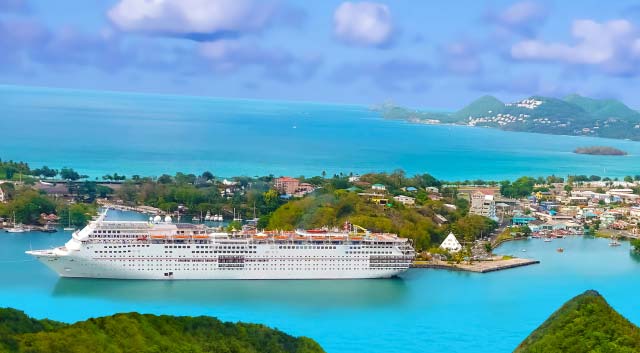
This may seem like a contradiction, but planning far ahead can be as effective a cost-saving measure as not planning at all. For example, cruises are generally less expensive the farther out you book them. Some airfares and lodgings also fit this pattern. Second, understanding costs, weighing them against your budget, and locking in your prices can help you save and budget for your vacation.
Choose Off-Season Destinations
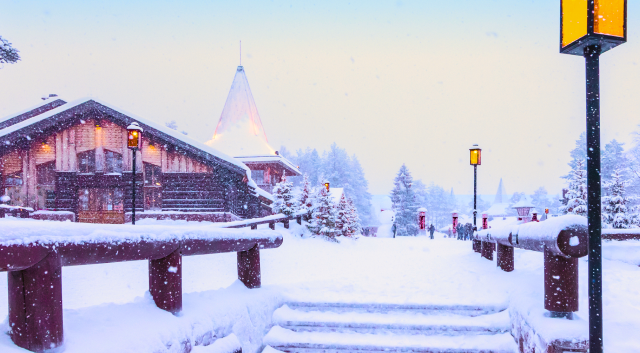
The “shoulder season” is well-known as a time when temperatures are mild, kids are in school and travel prices are lower than during peak months. While shoulder-season travel can be wonderful, real bargain hunters may need to extend out further. Call it the “elbow season” – the months before the shoulder season where it’s not shorts weather and may even be parka weather, but prices are at their most reasonable. In addition, you’ll enjoy fewer crowds, which is always a good thing.
Another great strategy is to look for "destination dupes." These are places that offer a similar experience to a popular, expensive hotspot but at a much lower cost and with fewer tourists.
For example, instead of Paris, you could visit Bucharest or Quebec City for classic architecture and cafes. For the stunning Greek island vibe of Santorini, try Paros. Or if you’re dreaming of Bali, consider Sri Lanka or the Philippines for beautiful beaches and rich culture. This trend helps you save money, avoid overtourism, and find a more authentic local experience.
Should You Buy The Cheapest Travel Insurance?
Consider Alternative Accommodations and Transportation
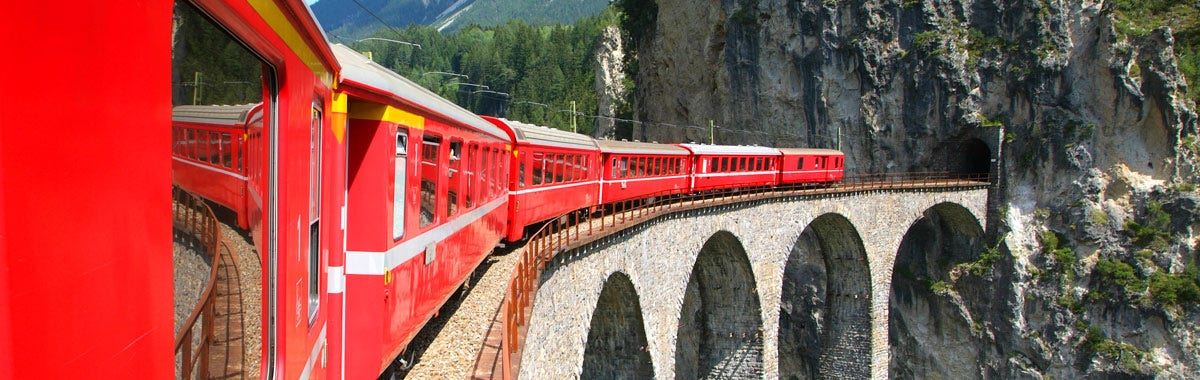
If you’ve always been a luxury hotel person, this might be the time to spring for a less expensive Airbnb. If you’re really price-conscious, there are always hostels, or this might be the time to blow the dust off of your camping gear. Finally, look at trains or buses as alternatives to driving or flying – especially in Europe, where distances are shorter and train service is fast, clean, and ubiquitous.
Use Public Transportation
Public transportation should be your go-to in most major cities, especially internationally. It’s inexpensive and can be faster, cleaner, and safer than any other transportation mode. However, in less-developed regions, public transit may pose risks such as pickpocketing and petty theft. Be sure to check local reports and traveler reviews before you go, and plan accordingly.
Pack Light
If you can travel with just a carry-on, do it. You’ll not only save money on baggage fees, you’ll probably also be more likely to resist the urge to buy souvenirs along the way that don’t provide an emotional kick commensurate with the space they take up. However, to maximize the money-saving punch of packing light, be sure one of the items you pack is a personal water bottle. Unless you’re in a country where bottled water is recommended, it’s an easy money-saver.

Get Travel Protection
Finally, getting travel protection with assistance services is an even better buy during a recession. It’s a value thing, not a price thing. Every dollar you spend on travel is more precious than ever; because of that, it’s vital to help protect those dollars.
Travel protection with assistance services from Generali Global Assistance can help reimburse you for prepaid travel expenses if you have to cancel or interrupt your trip for covered reasons. It may also help pay for medical emergencies while traveling, and may help protect your baggage and its contents as well.
Don’t let an economic downturn hold you back from experiencing the world – start planning your next trip today with a quote from Generali Global Assistance.
8456512509

Average Customer Rating:
Thank you for visiting csatravelprotection.com