Travel Safety: Staying safe on Bikes, Scooters, Segways, and More
Key Takeaways:
- Paying attention to basic safety habits—such as looking both ways, wearing a helmet, and understanding how to stop safely—may help reduce risks when using bikes, scooters, Segways, rollerblades, and similar transportation.
- Travelers should choose transportation options they feel comfortable controlling and avoid using them in unsafe weather conditions, as rain, ice, and slick surfaces may increase accident likelihood.
- Travel protection from Generali Global Assistance may help support travelers during unexpected incidents and includes access to 24/7 travel assistance, depending on the plan chosen.
People are pretty good about some aspects of travel safety, like researching accommodations and locations to limit the risk of an unforeseen incident.
A common travel safety concern is navigating between locations using transportation options beyond cars and mass transit. Whether you’re planning on walking, running, scootering, biking, rollerblading, or Segwaying during your next vacation, pay special attention to the following safety instructions found in the seat pocket in front of you.
Look both ways
When crossing streets, look both ways, and then look both ways again. There are many good reasons for this:
- Drivers in unfamiliar or busy locations—including places like New York City—may follow traffic patterns that differ from what you’re used to. Extra caution and patience can help reduce conflicts when crossing streets. Traffic may come from the other direction! For many American pedestrians, this realization may be new as we are accustomed to driving on the right side of the road and yielding on left turns.
- Bikes are everywhere. This is especially true in Amsterdam, where even streetcars yield to bikes.
Sometimes the simplest safety tips are the best. This is one of those sometimes.
Know How to Stop
A major city, especially one with hills, should not be the first place you try alternative transportation.
There are safer ways to stop while wearing rollerblades than heading toward nearby bushes or soft obstacles—though those can be tempting in a pinch. Segways look easy, but making them move requires a mixture of balance, skill, and muscle memory. This is especially true of stopping and starting on a downhill.
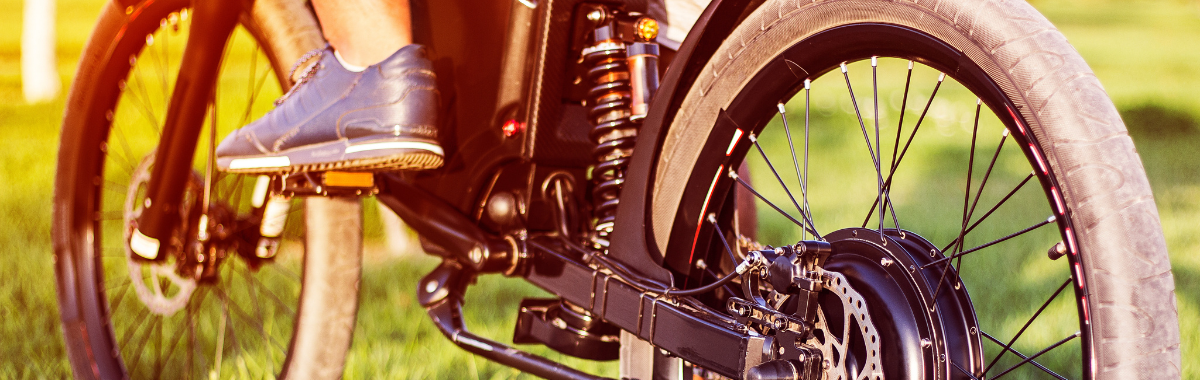
E-bikes can be a placid and efficient way of getting around, as long as you don’t get one of the advanced models. More powerful versions require extra care, as sudden braking can increase the risk of going over the handlebars.
Before trying any of these transport options, know how to stop. Practice it over and over again in the parking lot of the rental place until you have it down cold. Because having it down cold is better than winding up out cold.
This advice also applies to anything with a hand throttle. Have a clear understanding of the difference between “go” and “stop.”

Wear a Helmet
The best bike helmets have MIPS, a system designed to reduce the instances of concussions and traumatic brain injuries.
If you have a favorite helmet and you know you’re going to be doing active stuff, pack it. It’s worth the space.
Wear your helmet even if you look like a dork, because a picture of you wearing a helmet while Segwaying in Bali is not going to get back to your friends. And even if it does they’ll be saying, “Ooooh, Bali,” and not, “Ooooh, dork.”
Wear a helmet. (And if you’re rollerblading, wear wrist guards and knee pads, too.)
Point Out Road Hazards
If you’re biking ahead of a friend and there’s a pothole, a stick, a nail, whatever, point at it. Show them it’s there.
It’s not just prudent. It’s common courtesy and can help assist other travelers from getting into an accident that could have been easily avoided.

Don’t Do It If It Makes You Uncomfortable
If you don’t feel comfortable biking in Ho Chi Minh City, don’t bike. Take a taxi.
The sensation of uncontrolled speed can be very unsettling. You don’t want to get into a situation where you feel you’re going too fast for conditions and you’re afraid you’re losing control.
There’s no fun in that. If you can’t go at your own pace and feel safe doing it, don’t do it.

Be Super-sensitive to Weather Conditions
Scooters, rollerblades and road bikes generally don’t do well in wet conditions, hydroplaning isn’t just an issue cars have to worry about.
Many bikes also have significantly longer stopping distances when it’s wet.
And none of these conveyances do well on ice.
When the weather turns, turn in the bike, scooter or Segway. Walk or hail a car instead. It’s the right thing to do.
Speaking of right things to do, travel protection from Generali Global Assistance is a step in the right direction for your next big trip.
The Standard, Preferred and Premium plans can help cover you and your prepaid travel expenses almost anywhere you go. 24/7 Travel Assistance Services can help along the way.
Best of all, getting a quote is fast and easy.
Travel Resources
See All

10872502605

Average Customer Rating:

Thank you for visiting csatravelprotection.com