8 Car Checks Before Taking Your Road Trip Vacation

Planning a road trip for your vacation? Taking time to inspect your vehicle before hitting the highway can help you avoid headaches later. Here's a list of 8 important things to check about 2-3 weeks before departure. This timeline gives you some time to visit a mechanic if needed.
Vehicle Registration and Emissions
Before any long journey, check that your vehicle registration is current and won't expire during your trip. Many states also require emissions testing, though requirements vary widely across the country. Some states test annually, others every two years, and some don't require testing at all. Taking care of these administrative details before your trip helps you avoid unwanted tickets or issues while you're trying to enjoy your vacation. When in doubt, check your state's DMV website for specific requirements.
Maintenance Schedule
Your car came with a maintenance schedule, either as a physical booklet or available online through the manufacturer's website. This valuable guide outlines when you should change your oil, replace filters, and perform other routine maintenance.
These regular check-ups typically happen every 5,000-7,500 miles or annually (whichever comes first), depending on your vehicle. Following this schedule helps prevent breakdowns and keeps your car running smoothly - especially important before a long trip.
If you notice strange noises like knocking from a wheel when accelerating or turning, or unusual sounds when starting the engine, it's a good idea to visit your mechanic before your vacation.
Can't find your maintenance booklet? Most manufacturers offer this information online - just search for your car's make, model, and year.
Fluid Levels
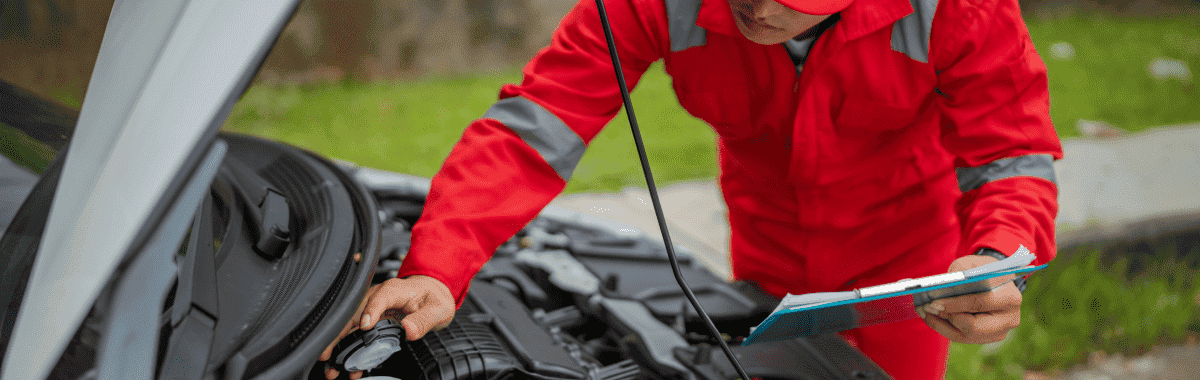
Even if you're not due for a full service, checking your car's fluid levels before a road trip is smart. Pop the hood and check:
- Engine oil
- Coolant/antifreeze
- Brake fluid
- Power steering fluid
- Windshield washer fluid
Make sure each fluid level falls between the "min" and "max" marks on their respective containers. If your brake fluid is low, you might want to have your brake pads and discs checked for wear.

Tires
Your tires are literally where the rubber meets the road, making them crucial for a safe journey. Visually inspect each tire to check that the tread patterns are still visible. You can use the penny test: insert a penny with Lincoln's head upside down into the tread - if you can see all of Lincoln's head, your tires need replacing.
Feel along the inside edge of each tire for bulges or uneven wear patterns, which might suggest alignment or balancing issues.
Check your tire pressure monthly, but especially before long trips. Most passenger cars have recommended pressures between 30-35 PSI, but check your specific requirements on the sticker inside your driver's door jamb or in your owner's manual. Always measure tire pressure when the tires are "cold" - meaning the car hasn't been driven for at least 2 hours.
Windshield Wipers
It's easy to overlook your windshield wipers, especially when planning a summer vacation. But sudden downpours can happen anywhere, and functioning wipers become essential when you're cruising at 65 mph in heavy traffic. If your wipers leave streaks, make squeaking noises, or create a blurry film instead of clearing water, it's time for new blades.
Windshield Condition
Small chips or cracks in your windshield might seem minor, but they can compromise its strength significantly. If a chip is smaller than a quarter and not directly in your line of sight, it can usually be repaired with resin. Larger cracks might require windshield replacement. Check your auto insurance policy - many cover glass damage with little or no deductible.
Lights
A complete light check includes: headlights (low and high beams), turn signals, brake lights, reverse lights, and fog lights if your vehicle has them. Newer cars often have dashboard indicators for burned-out bulbs, but older models require a manual check. You might need a friend to help check the brake lights while you press the pedal.
Consider keeping a small kit of spare bulbs in your glove compartment - they're inexpensive and can save you from being pulled over for a burned-out light.

Air Conditioning
While not strictly safety-related (not counting a defroster which could limit visibility when windows fog up), a working AC can make your trip much more comfortable, especially in summer traffic jams. Most mechanics recommend an AC check every 2-3 years. Before your trip, test it by turning it to maximum cooling - it should start blowing cold air quickly. If it blows only slightly cool air, you might need a refrigerant recharge.
If you notice musty smells when you turn on the AC, you might have mold or bacteria buildup in the system - something a mechanic can address before your trip.
Remember, finding car issues before your trip might mean unexpected expenses, but discovering problems while you're hundreds of miles from home is usually much more costly and stressful. Happy travels!
Travel Resources
See All

8456512512

Average Customer Rating:

Thank you for visiting csatravelprotection.com